
About Us
Background
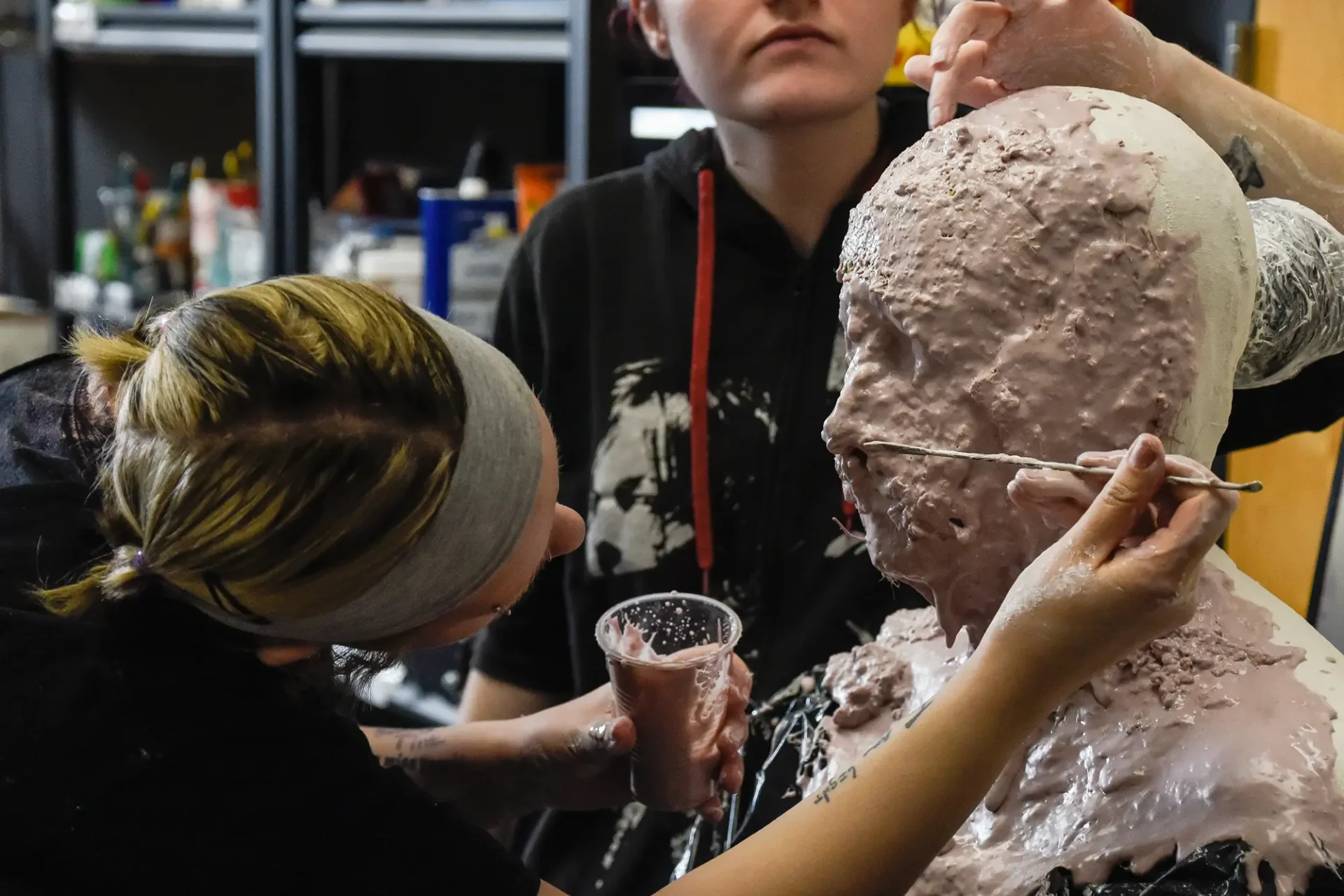
The College for Creative Studies (CCS) is a nonprofit, private college authorized by the Michigan Department of Education to grant Bachelor’s and Master’s degrees. CCS, located in midtown Detroit, strives to provide students with the tools needed for successful careers in the dynamic and growing creative industries. CCS fosters students’ resolve to pursue excellence, act ethically, engage their responsibilities as citizens, and learn throughout their lives. With world-class faculty and unsurpassed facilities, students learn to be visual communicators who actively use art and design toward the betterment of society. The College is a major supplier of talent to numerous industries and community arts organizations, such as transportation, film and animation, advertising and communications, industrial design, user experience design, athletic apparel, museums, and non-profit organizations and many more. Its graduates are exhibiting artists and teachers, design problem solvers and innovators, and creative business leaders.
Founded in 1906 as the Detroit Society of Arts and Crafts, CCS plays a key role in Detroit’s cultural and educational communities. A private, fully accredited college, CCS enrolls nearly 1,200 students, pursuing
Master’s degrees in:
- Color & Materials Design
- Design for Sustainability
- Interdisciplinary Design & Media
- Transportation Design
- User Experience Design
Bachelor’s degrees in:
- Animation
- Business for Creative Industries
- Communication Design & Strategy
- Fashion Business Management
- Fashion Design
- Film
- Game Design
- Human-Centered Robotics
- Illustration
- Interdisciplinary Art + Design
- Interior Design
- Photography
- Product Design
- Studio Art & Craft
- Transportation Design
CCS also offers a post-degree teaching certification preparation program in Art Education in addition to offering free art education for more than 3,000 Detroit youth annually through its Community Arts Partnerships program. In addition, University Prep: Art & Design is a public charter middle and high school, housed on campus, enrolling more than 800 students in a high-performance academic curriculum with a special focus on art and design.
Degrees
Bachelor’s Programs
CCS offers the following bachelor’s degrees
- Bachelor of Fine Arts
- Bachelor of Arts
- Bachelor of Design
The BFA degree offerings require completion of 120-121 credit hours: 75 in studio areas and 46 in general studies courses. In addition to coursework in their chosen major, first-year students take courses in the Foundation Department, where they study drawing, color theory and basic design. Students in all majors also take courses in the Liberal Arts Department, designed to provide them with an understanding of the larger social and cultural context in which they live. Typical weekly schedules for full-time students comprise 18 studio hours and six academic hours. Students may pursue a BFA in multiple programs of study.
The BA in Business for Creative Industries and Fashion Business Management at CCS offer a reduced-credit curriculum (90 credits), completed in just three years, and are designed for creatives whose key career objectives are in strategy, leadership and business, rather than creative making.
The BA and BDes transfer pathway options are ideal for students who already hold an associate degree. These programs build upon their existing knowledge and allow students the opportunity to graduate with a bachelor’s degree from CCS in only 2 years.
Master’s Programs
CCS offers the following Master’s degrees:
- Master of Fine Arts
- Master of Arts
- Master of Professional Studies
The Master of Fine Arts (MFA) degree offerings are two-year 60 credit hour programs, focusing on studio coursework, research methods, and a written thesis.
The Master of Arts (MA) degree offerings require the completion of 30-36 credit hours, focused on professional and technical skills and knowledge. The MA includes a final project in the second semester.
The Master of Professional Studies (MPS) in UX Design is a fully online 30-credit, 18-month graduate degree program for working professionals and learners who need to balance their studies with busy lives. The program is structured into 7-week fully online asynchronous courses.
Location
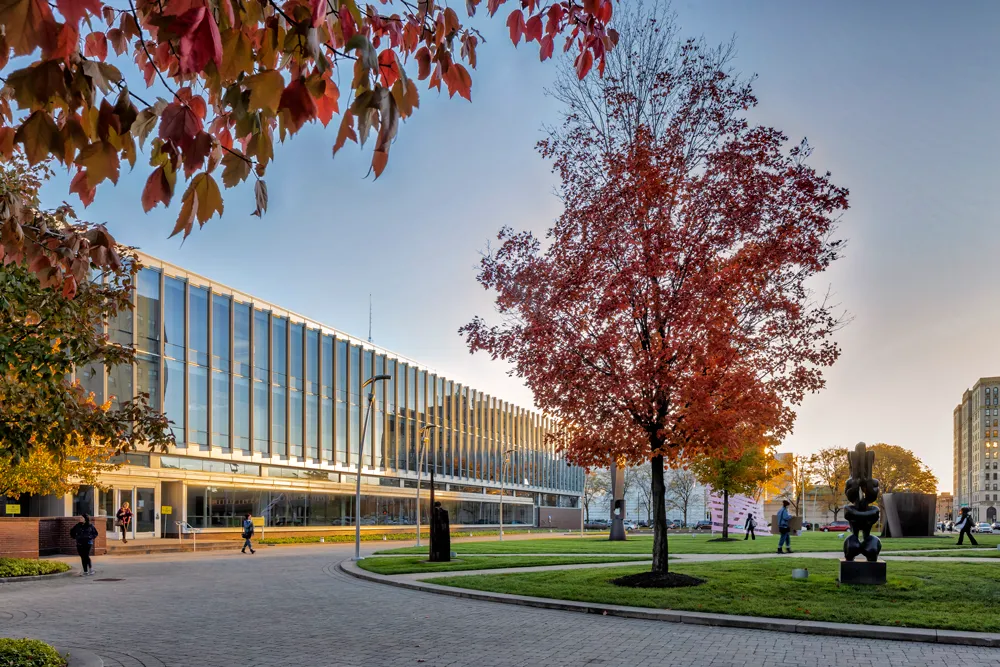
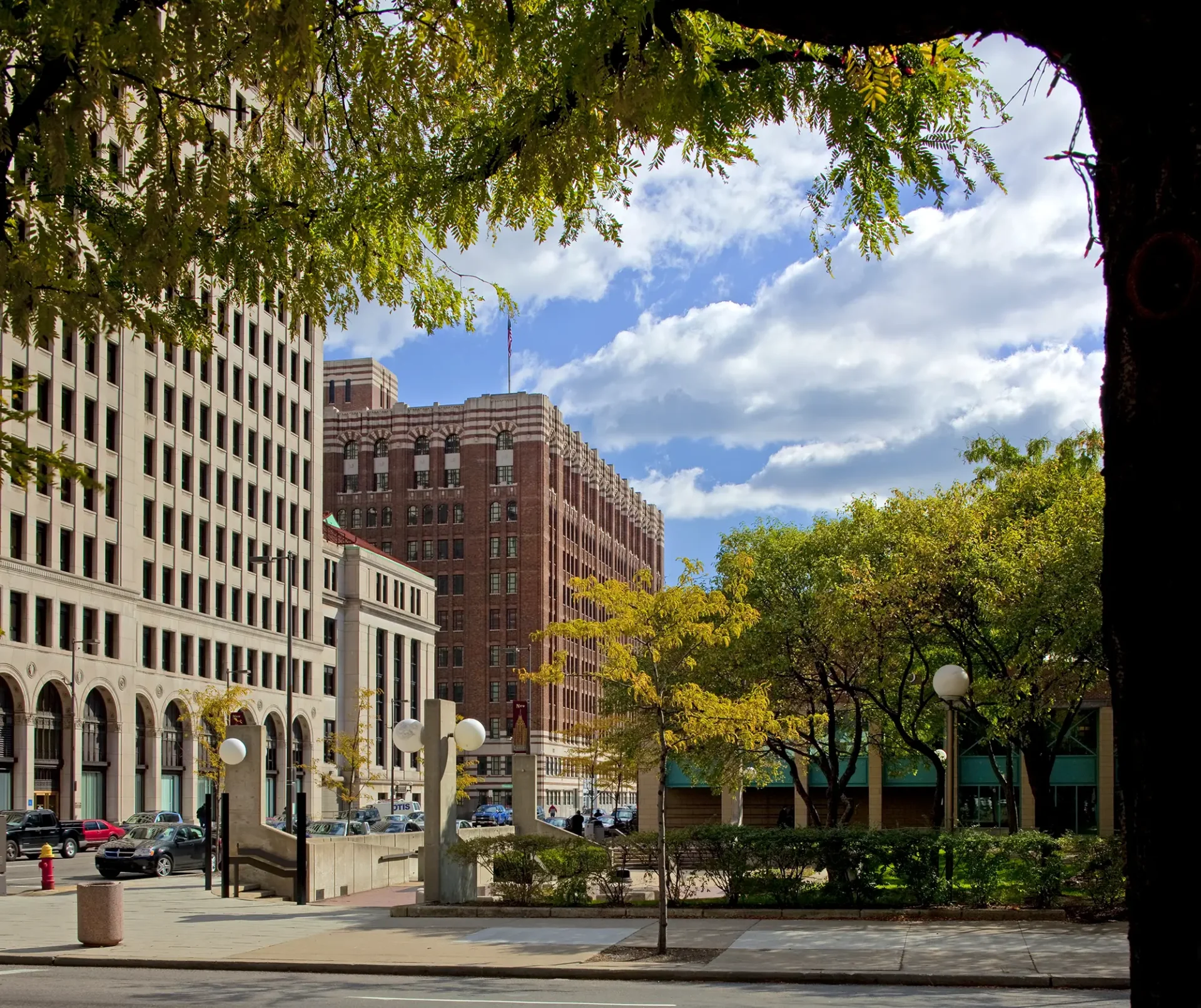
CCS is located in Detroit’s Midtown, where students will find a variety of activities near campus to enrich their studies and provide entertainment. The Detroit Film Theatre and the Detroit Institute of Arts, one of the largest art museums in the country, are both located next to CCS’s Walter and Josephine Ford campus. Admission to the DIA is free for CCS students. The Charles H. Wright Museum of African American History, the largest of its kind in the country, is also located next to campus. University and public libraries, galleries, great restaurants, and live music venues showcasing indie rock, hip hop, techno, folk, jazz and blues also can be found close by.
While Detroit offers all the advantages you would expect from a big city, it is unique in many ways. For one, it‘s affordable. The city is also one of the largest markets in the country for advertising, industrial design and publishing – which means students have access to internships, jobs, and faculty mentors who are active in their fields. Ultimately, Detroit has been known for making things – this combination of craftsmanship and technology makes it a perfect place for an art and design school.
Fall 2026
Undergraduate Enrollment – 1123
67% Female
33% Male
90% full-time
10% part-time
44% reside in campus housing
56% reside off campus
81% from Michigan
19% from 36 states and 26 countries
76% First-time Freshman
24% Transfer
Enrollment by Program
Art Education (post degree only) – 13
Communication Design & Strategy – 66
Entertainment Arts – 265
Fashion Business Management – 9
Fashion Design – 60
Film – 51
Illustration – 249
Interdisciplinary Art & Design – 93
Interior Design – 26
Photography – 25
Product Design – 64
Studio Art & Craft – 85
Transportation Design – 107
Undeclared – 6
Ethnic Background
4% International
17% Black or African American
<1% American Indian or Alaska Native
8% Asian
8% Hispanic/Latino
53% White
6% Two or more races
<1% Native Hawaiian or Pacific Islander
2026-2027 Annual Tuition and Fees (per year)
Tuition – $55,950
Required fees (average) – $1,420
Housing (average) – $8,540 – 8,940
Meal Plans (average) – $1,450 – 2,175
First to Second Year Retention – 80%
The National average is 77.9%
Graduation Rate (per 2023/24 IPEDS) – 71%
National average is 61%
Average Age – 21.5
Student to Faculty Ratio – 9:1
Financial Aid
100% of CCS students recieve some form of Institutional, State or Federal financial assistance
Campus Housing
Fall 2026, 515 students (12 graduate students and 499 undergraduates and 4 guest students) live on campus (81% occupancy or 536 of 626). The Art Centre Building currently houses 333 students and 186 reside at the Taubman Center.
Fall 2026
Graduate Enrollment – 70
47% Female
53% Male
86% full-time
14% part-time
24% reside in campus housing
76% reside off campus
58% US
46% from Michigan
42% International from 5 countries
12 % from 7 US states
Enrollment by Department
Color & Materials Design – 18
Design for Sustainability – 6
Interdisciplinary Design & Media – 8
Transportation Design – 28
User Experience Design – 9
UX Design Online – 2
Ethnic Background
6% Hispanic/Latino
11% Black or African American
0% American Indian or Alaska Native
43% Asian
6% Not Indicated
30% White
6% Two or more races
0% Native Hawaiian or Pacific Islander
2026-2027 Annual Tuition and Fees (per year)
Tuition – $58,440
Required fees (average) – $1,400
Housing (average) – $8,540 – 8,940
Meal Plans (average) – $1,450 – 2,175
MFA Fall to Fall Retention – 86%
Average Age – 27
Student to Faculty Ratio – 4:1
Average GPA of Incoming Graduate Students – 3.39
Financial Aid
100% of CCS students recieve some form of Institutional, State or Federal financial assistance
Campus Housing
Fall 2026, 515 students (12 graduate students and 499 undergraduates and 4 guest students) live on campus (81% occupancy or 536 of 626). The Art Centre Building currently houses 333 students and 186 reside at the Taubman Center.
Applying is as easy as 1-2-3
Complete your Application

Submit your Transcripts